

Bank and government impersonation scams are among the most dangerous phone frauds in the UK. Scammers call landline users—often elderly or vulnerable people—pretending to be from trusted institutions such as HMRC or high street banks. These scams can result in devastating financial losses and emotional distress.
In this blog, we’ll look at how to identify these scams, the tactics fraudsters use, and the best ways to protect yourself and your family.
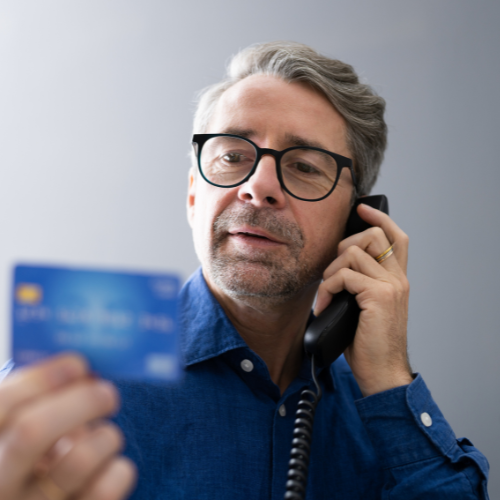
What Do Bank and Government Impersonation Scams Look Like?
These scams usually share common features:
-
Bank scams: Fraudsters claim to be from your bank’s “fraud department.” They warn of suspicious activity and ask you to transfer money to a “safe account” or share security details.
-
HMRC scams: Callers pretend to be tax officials, threatening fines or arrest if you don’t pay “overdue tax” immediately. Many use recorded messages to sound more official.
-
Other government impersonations: Some criminals pose as the NHS, energy regulators, or local councils to request payments or personal details.
Example: In 2025, Action Fraud warned about a surge in calls where fraudsters impersonated HMRC, demanding bogus tax repayments via gift cards or cryptocurrency.
Summary: Bank and HMRC impersonation scams often involve urgent threats, requests for money transfers, or demands for sensitive information.
How Can You Identify These Scams on Landlines?
Here are warning signs:
-
Urgency and threats: Genuine banks and HMRC never threaten arrest or demand immediate payment.
-
Unusual payment methods: Requests for gift cards, vouchers, or cryptocurrency are always fake.
-
Caller ID spoofing: The number may look like your bank’s real number, but spoofing makes it unreliable.
-
Requests for sensitive details: No legitimate organisation will ask for your PIN or online banking password over the phone.
-
Robotic or scripted voices: Automated messages demanding urgent action are red flags.
If you’re ever in doubt, hang up and call back using the official number from the bank or HMRC website.
Summary: Scam warning signs include urgency, spoofed caller ID, unusual payment methods, requests for sensitive details, and robotic voices.
How Do Scammers Trick People Into Believing Them?
Fraudsters use psychological and technical tactics:
-
Authority pressure: Pretending to be from powerful institutions.
-
Fear tactics: Threatening fines, arrests, or account freezes.
-
Fake references: Giving “case numbers” or “employee IDs” to sound official.
-
Polite professionalism: Some scammers act calm and reassuring to gain trust.
Case in point: An elderly couple in Leeds received a spoofed call from “their bank” showing the official number. The fraudster politely convinced them to transfer £9,000 to a “secure account.”
Summary: Scammers exploit authority, fear, fake references, and professional tone to make their impersonation believable.
How Can You Protect Yourself From Bank and Government Phone Scams in the UK?
Practical steps include:
-
Hang up and verify – Always call back using official numbers from letters or websites.
-
Never share PINs or passwords – Banks and HMRC will never ask for these.
-
Use a landline call blocker – Devices like CPR Call Blocker filter nuisance numbers.
-
Register with TPS – Helps reduce legal telemarketing and highlights scams more clearly.
-
Report scams – Share details with Action Fraud or the ICO.
-
Educate elderly relatives – Remind them that no bank or government agency will demand money over the phone.
Summary: Protect yourself by verifying calls, refusing to share sensitive data, using call blockers, registering with TPS, and reporting scams to Action Fraud.

Conclusion
Scammers impersonating banks or government agencies are among the most convincing fraudsters. But by recognising red flags and refusing to act under pressure, you can stop them in their tracks.
Explore our range of call blockers to protect your home.
FAQs
Q: How do I know if HMRC is really calling me?
A: HMRC rarely contacts by phone. If they do, they will never demand immediate payment or use threats.
Q: Can caller ID spoofing make a scam look real?
A: Yes, but caller ID can’t be trusted—always verify with the official number.
Q: Are call blockers effective against these scams?
A: Yes, they reduce nuisance and repeat calls significantly.
Q: Who should I report impersonation scams to in the UK?
A: Report them to Action Fraud and the ICO.